A VHF is one of the best safety tools onboard—learn it before you need it.
Keep calls short: who you are, where you are, what you need.
Do a quick radio check before heading out into the Hauraki Gulf.
In a real emergency, use the correct distress call and stay on the radio.
A VHF radio can feel intimidating for first-time boat owners, but it’s just a tool—one that becomes incredibly valuable when you’re boating in open water like the Hauraki Gulf. The basics are simple: know how to call, what to say, and which channel to use.
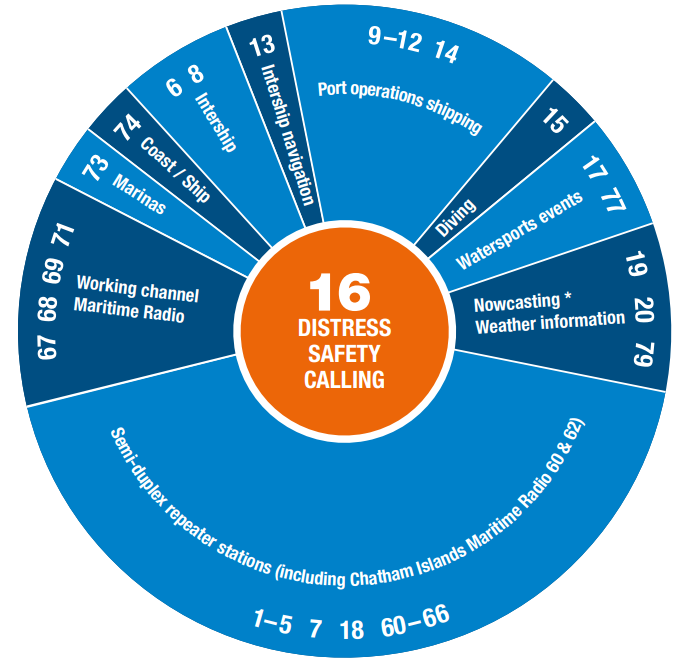
Before you leave the ramp, make sure your VHF is on, the volume is up, and you’ve selected the right channel for where you are. If you’re unsure, keep your radio instructions onboard and practise on a quiet day so it becomes second nature.
A good radio call is always the same structure: who you’re calling, who you are, your location, and your message. Speak slowly and clearly. For example: “Coastguard, Coastguard, Coastguard… this is [boat name]… located [your position/landmark]… requesting a radio check.”
If you need urgent help but it’s not immediately life-threatening, use PAN-PAN. If life is at risk (person overboard, sinking, fire), use MAYDAY. In both cases, the key information is: your boat name/description, exact location, what’s happening, how many people onboard, and what assistance you need. Then stay on the channel and follow instructions.
For everyday boating, the radio is also useful for communicating with other vessels and keeping situational awareness, but avoid unnecessary chatter. Your best habit is to keep the radio ready and treat it like seatbelts: you hope you don’t need it, but you’re glad it’s there.
A great read is the Radio Handbook on the Maritime NZ website.
If you’re building confidence for Hauraki Gulf trips, Brookland Boat Club can help you get comfortable with safety basics like VHF use. Get in touch via our contact page or check out the emergency contacts on our website.